


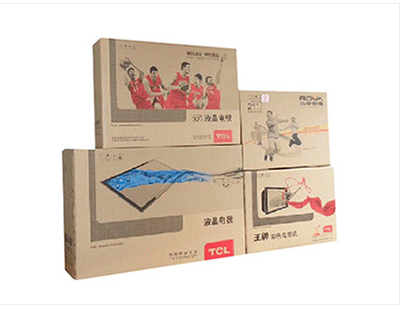
Size information
Inner dimensions: Specify the length, width, and height of the contents to the millimeter to ensure that the carton can accommodate the items just right, and that there is appropriate space to cushion the material or slight shaking of the product.
External size: If there are specific requirements for the external space of the carton, such as the space on the shelf, the external size requirements need to be provided. At the same time, the manufacturing tolerance of the carton should be considered, which is generally ±3mm.
Carton shape: In addition to the common cuboid, if there are special shape requirements, such as circle, triangle, special-shaped, etc., detailed design drawings or instructions need to be provided.
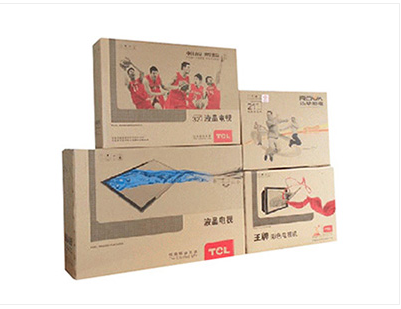
Material information
Cardboard type: Instructions for the use of ordinary corrugated cardboard, kraft cardboard, coated cardboard, etc. Ordinary corrugated cardboard has a low cost and is suitable for general products; Kraft cardboard has high strength and good toughness, and is often used for heavier or vulnerable items; The coated cardboard has a smooth surface and good printing effect, which is suitable for products with high requirements for appearance.
Corrugated type: choose the corrugated type according to the weight, volume and cushioning requirements of the product, such as A flute with good cushioning performance, B flute plane with high compressive strength, C flute with good comprehensive performance, E flute is suitable for small cartons or products with high flatness requirements.
Number of layers of cardboard: Determine whether it is three, five, or seven layers of cardboard. The three-layer cardboard is thinner and suitable for small and light items; Five-layer cardboard is widely used and can meet the packaging needs of most products; The seven-layer cardboard has high strength and is used for large or heavy items.
Printed information
Printing content: Provide electronic files that need to be printed on the carton for text, patterns, trademarks, etc., preferably in vector graphic formats such as AI and EPS to ensure printing clarity. The text content should include the product name, specifications, quantity, instructions for use, precautions, etc., and the pattern and trademark should meet the brand image and design requirements.
Printing color: Specify the printing color requirements, and use the PANTONE color card (PANTONE) number to specify the color to ensure that the printing color is as expected. If it is multi-color printing, it is necessary to explain the collocation and distribution of colors.
Printing process: Tell if you need a special printing process, such as UV printing, hot stamping, embossing, etc. UV printing can make the pattern more vivid and wear-resistant; Hot stamping can improve the grade and visual effect of the carton; Embossing adds texture to the surface of the carton.
Quantity Information: Indicate the number of cartons that need to be customized. The quantity will affect the unit price of the carton, generally speaking, the larger the quantity, the lower the unit price. At the same time, it is necessary to take into account the losses in the production process, and appropriately increase a certain margin, usually 3% – 5% of the total amount.
Purpose information: Inform the main purpose of the carton, such as shipping packaging, storage packaging, or sales packaging. Transport packaging focuses on protective performance and stacking strength; Warehousing packaging requires easy storage and management; The sales packaging places more emphasis on the design and display effect.
Special requirements: If there are special functional requirements, such as moisture-proof, waterproof, anti-static, fireproof, etc., please specify in advance. In addition, the supplier should also be informed in detail of the special requirements such as the sealing method of the carton (such as tape sealing, nailing box, gluing box), the design of the handle or the opening.